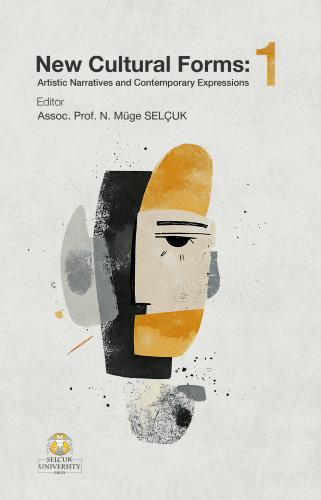
NEW CULTURAL FORMS: Artistic Narratives and Contemporary Expressions–1
İndir
Özet
New Cultural Forms: Artistic Narratives and Contemporary Expressions–1 is an interdisciplinary study that explores the multilayered nature of contemporary art today. The book aims to reveal that artistic production is not only an aesthetic field of expression but also lies at the heart of social, cultural, and philosophical discussions. In this regard, it examines how art relates to consumer culture, social responsibility, gender, violence, play, and cultural dualities through various artists and theoretical perspectives. This publication is the result of more than a year of collective discussions, interdisciplinary collaboration, and intensive intellectual effort devoted to art. Each author contributes a distinctive viewpoint within their discipline, helping to reconsider the limits of cultural production in our time. This collaborative spirit emphasizes that art is a space of meaningmaking both on an individual and collective level. Throughout human history, art has served as a field through which individuals and societies construct, communicate, and transform their sense of reality. From cave paintings and ritualistic objects to architectural forms and literary narratives, artistic production has always functioned not only as an aesthetic manifestation but also as a dynamic mirror of beliefs, cultural structures, social relations, and power formations. In this long historical continuum, art has shaped both personal and collective memory, constantly reconfiguring how communities understand and narrate the world around them. The interdisciplinary nature of contemporary art today demands that we consider this historical continuity while also engaging with new concepts, expanded visual languages, and increasingly complex social contexts. In the present era, artists are no longer solely creators of aesthetic forms; they have become catalysts of social transformation, cultural actors aligned with activism, and visible agents of critical thought. From ecological crises to political oppression, from struggles over gender and identity to debates on migration and global inequality, many of the urgent issues of contemporary life are reinterpreted and made public through the expressive power of art. The transformative potential of contemporary artistic practices—pushing formal boundaries, questioning established perceptions, and generating new layers of meaning—has thus become more pronounced than ever. This book reflects that dynamic structure by examining the political, cultural, and ethical responsibilities that contemporary art now undertakes, bringing together contributions from various disciplines to illuminate art’s multifaceted, critical, and transformative force.
Kaynakça Gösterimi
Lisans

Bu çalışma Creative Commons Attribution-NonCommercial-ShareAlike 4.0 International License ile lisanslanmıştır.
Yayınlanan
ISBN
DOI
Bölümler
Telif Hakkı (c) 2025 Selçuk Üniversitesi Yayınları